Light is one of the most overlooked elements in a workspace, yet it influences almost everything. From how focused you feel to how your setup looks and functions throughout the day. Different light sources each create their own atmosphere, energy, and level of clarity.
In this blog, we break down the main types of lighting and how each one affects your mood, productivity, and the overall feel of your desk setup. Whether you want a calmer space, or a more aesthetic look, understanding your lighting is the first step.
Ambient Light - The Foundation
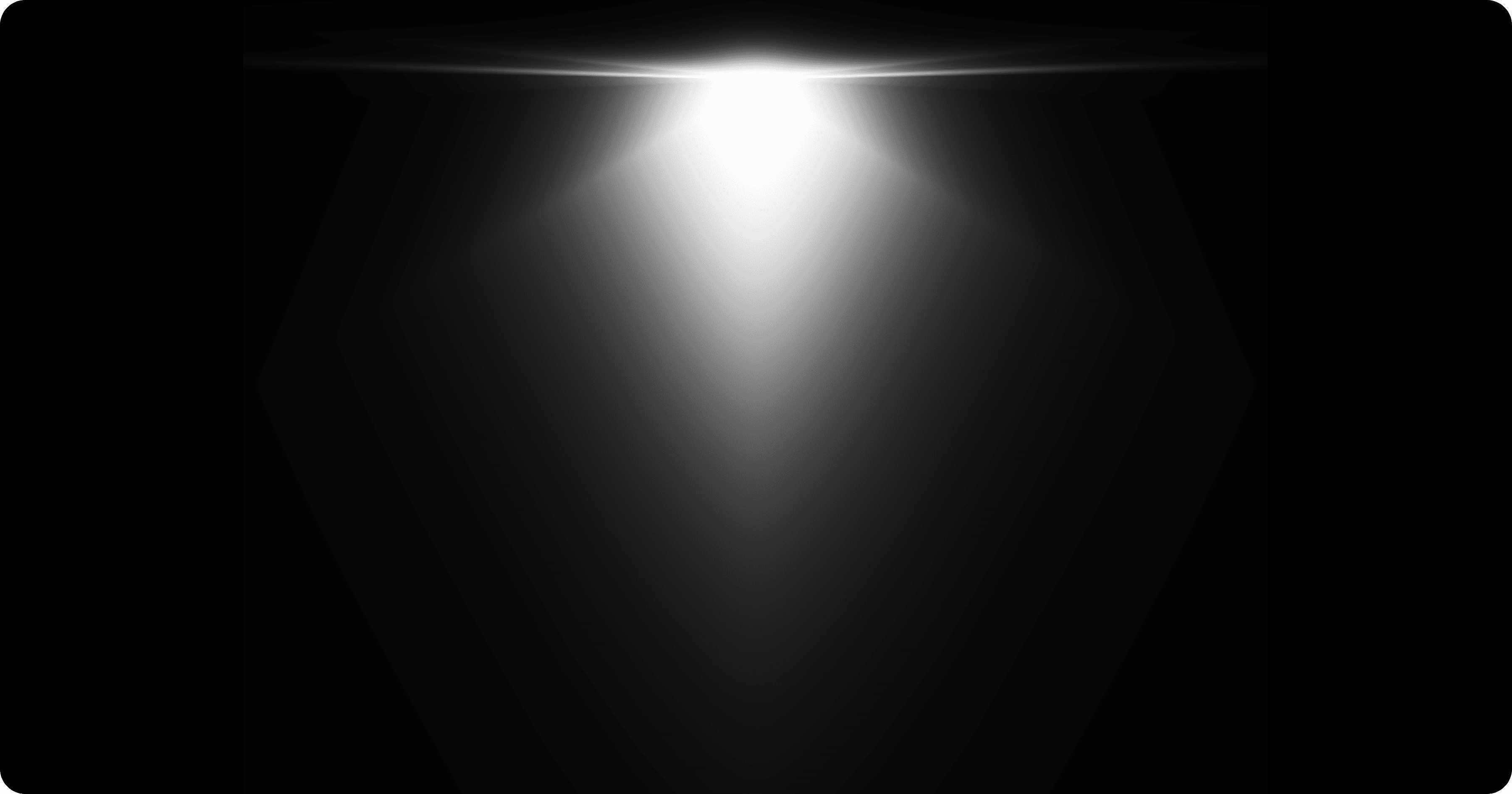
Ambient light is the main source of overall brightness in your workspace. It sets the base mood of the entire room and determines whether your setup feels open and calming or dull and heavy.
Think of it as the “starting point” for all other lighting layers. Without a balanced ambient glow, everything else feels off.
Soft ceiling lights, diffused bulbs, or even natural light through windows all count as ambient lighting. When it’s done right, it reduces eye strain, helps you feel grounded, and creates a comfortable atmosphere to work in.
Task Light - Focus Where You Need It

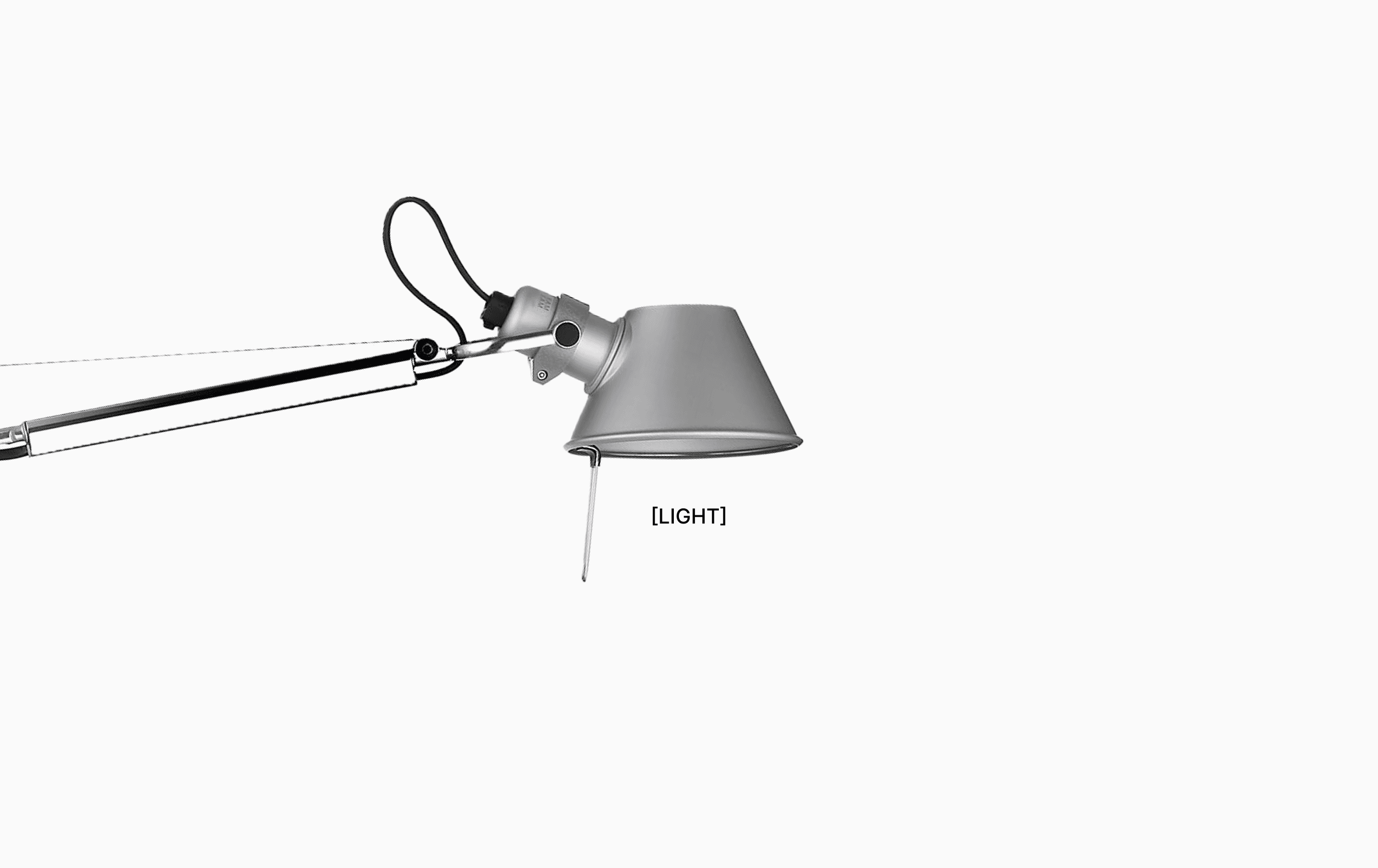
Task light gives you direct, targeted light exactly where you work. It’s the lamp on your desk, the focused beam on your notebook, or the soft spotlight on your keyboard.
This type of lighting improves clarity and reduces eye strain, especially during detailed work like writing, designing, or reading. It adds intention to your desk: instead of flooding the whole room with brightness, task lighting highlights the area that matters most.
Simple, effective, and one of the easiest ways to boost your focus instantly.
Accent Light - Add Depth and Atmosphere

Accent light is all about adding character. It highlights specific areas or objects, like a shelf, a plant, or the edge of your desk and brings visual depth to your setup.
This type of light doesn’t aim to illuminate your work, it’s there to shape the mood. Warm accents can make your workspace feel calmer and more inviting, while cooler tones give it a modern, minimal edge.
It’s subtle, aesthetic, and perfect for creating a workspace that feels intentional rather than purely functional.
Natural Light - The Most Impactful Source

Natural light is more than just brightness, it affects your energy, focus, and overall well-being. Daylight keeps your body clock in sync, boosts mood, and helps you stay alert throughout the day.
Positioning your desk near a window or using blinds to control glare can make a big difference. Even indirect sunlight can enhance the feel of your workspace, creating a sense of openness and connection to the outside world.
Integrating natural light effectively is one of the simplest ways to make your desk feel fresh and energizing.
Indirect Light - Soft, Subtle, and Comfortable

Indirect light bounces off walls, ceilings, or furniture, creating a gentle, diffused glow throughout your workspace. It’s perfect for reducing harsh shadows and minimizing eye strain, while maintaining a calm, balanced atmosphere.
Unlike direct task lighting, indirect light doesn’t demand attention. It quietly enhances the space, making your desk feel more cohesive and comfortable.
Adding a lamp behind your monitor, under a shelf, or along a wall can make your setup feel polished without ever being overpowering.
Lighting is more than just a functional element, it shapes how you feel, how you focus, and how your workspace looks and performs. By combining different light sources thoughtfully, you can create a desk setup that’s not only visually appealing but also supportive of your productivity and well-being.
Take a moment to observe your current lighting and experiment with layers. Even small adjustments can make a big difference
For more tips, inspiration, and setup ideas, follow us on Instagram, Threads, and Pinterest.