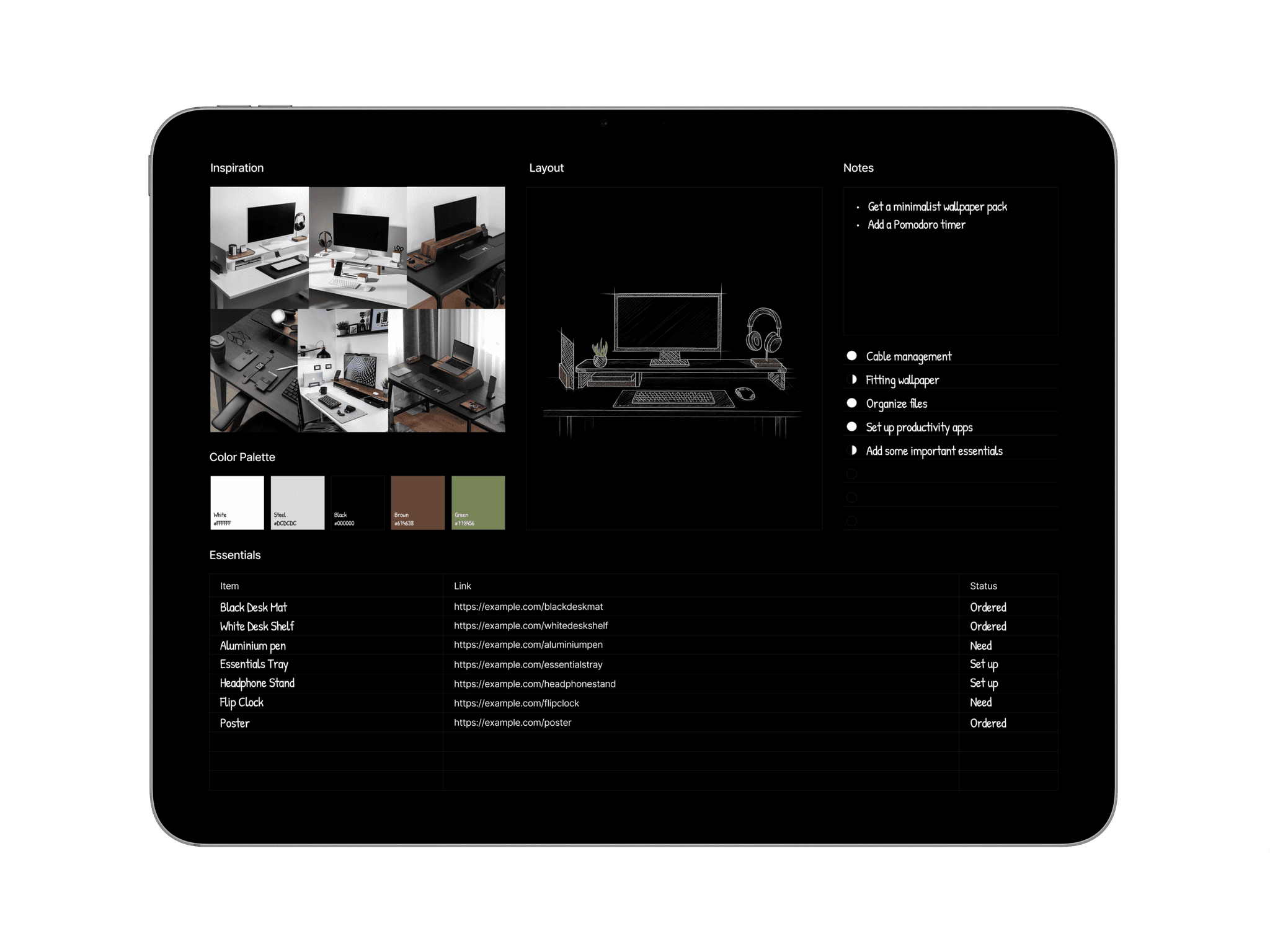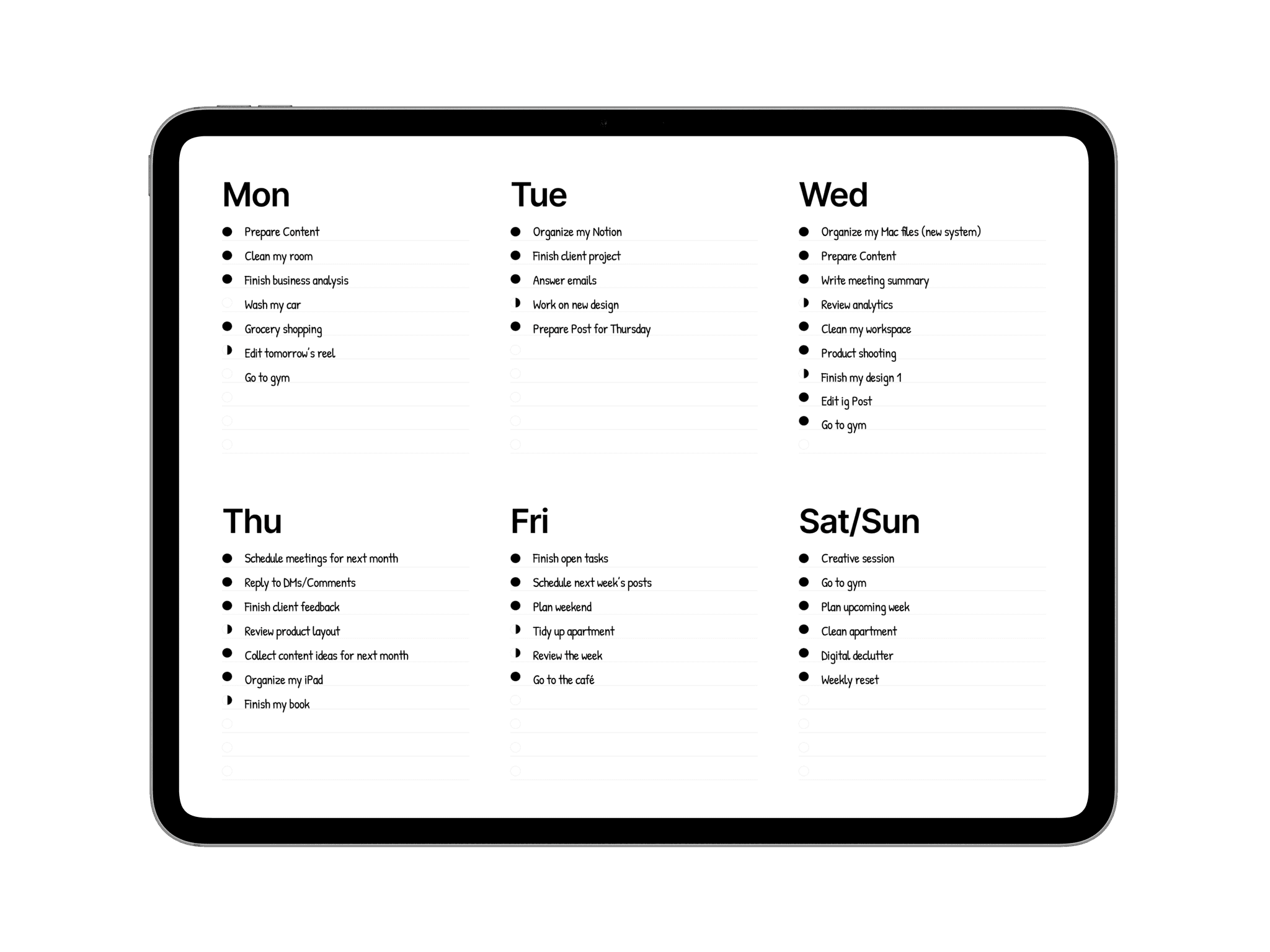
Wall space is one of the most overlooked elements of a workspace.
Most setups focus on the desk itself, its surface, layout, and tools, while the area around it remains either empty or randomly filled. Yet how the space above and around your desk is used has a direct impact on focus, organization, and how intentional your setup feels.
Optimizing wall space isn’t about decorating or filling gaps. It’s about creating structure, reducing visual noise, and supporting your workflow without adding clutter. When used thoughtfully, the wall becomes a quiet extension of your desk, helping you keep the surface clear and organized.
In this guide, we’ll explore how to use wall space around your desk in a way that feels calm, functional, and easy to maintain.
Wall Shelves
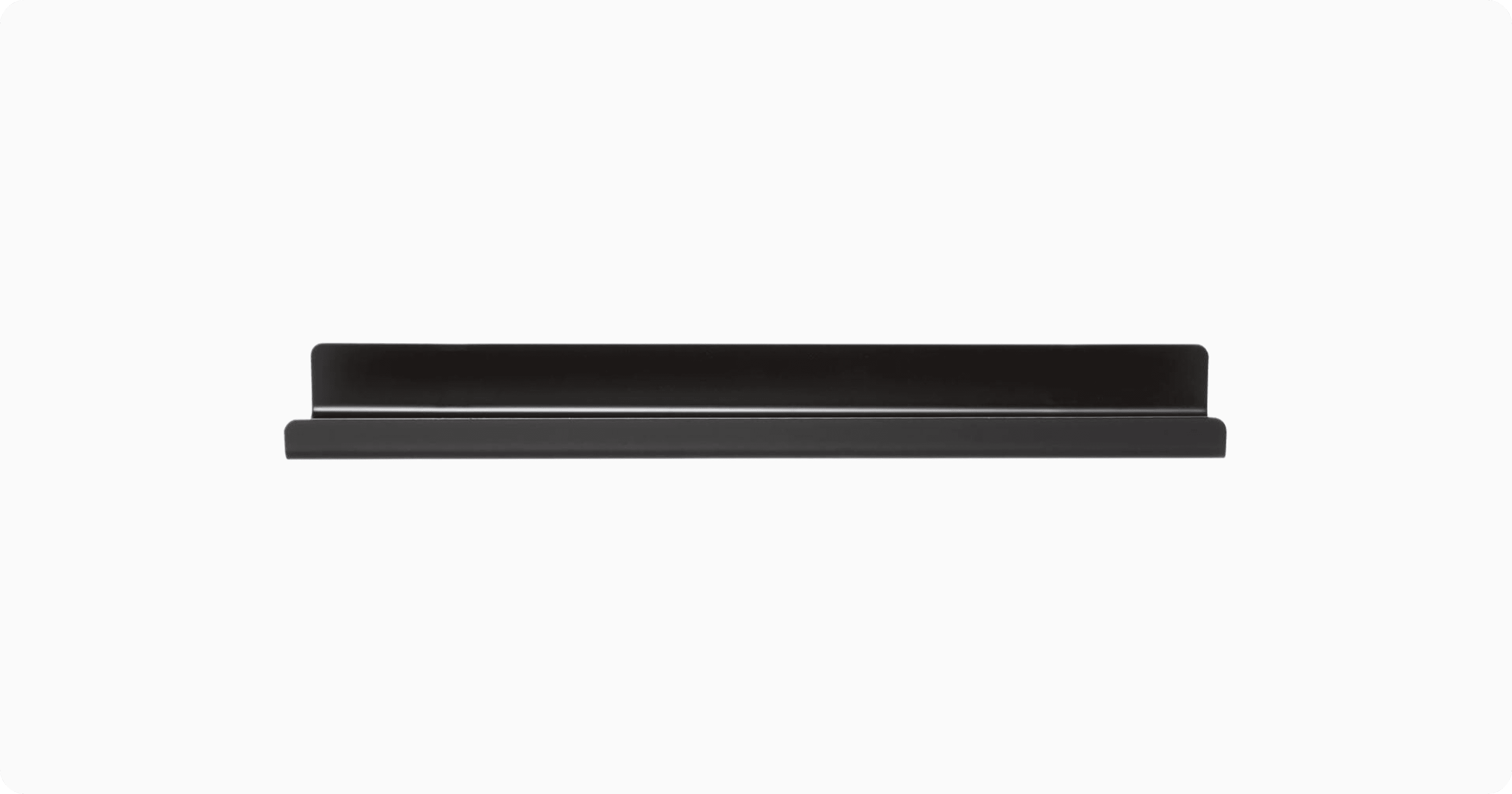
A wall shelf can do more for your setup than most desk accessories. Once you move a few things off the surface and onto the wall, the desk immediately feels more organized.
Shelves work best for items you don’t need every minute, but still use regularly. Think books you’re currently reading, a notebook you grab a few times a day, or headphones you want within reach but not lying around. Placed slightly above eye level, they stay accessible without constantly pulling your attention away from the desk itself.
The biggest mistake is overfilling them. One or two shelves with a few intentional objects feel considered. Three or four packed with decor quickly start to feel heavy.
Pegboards
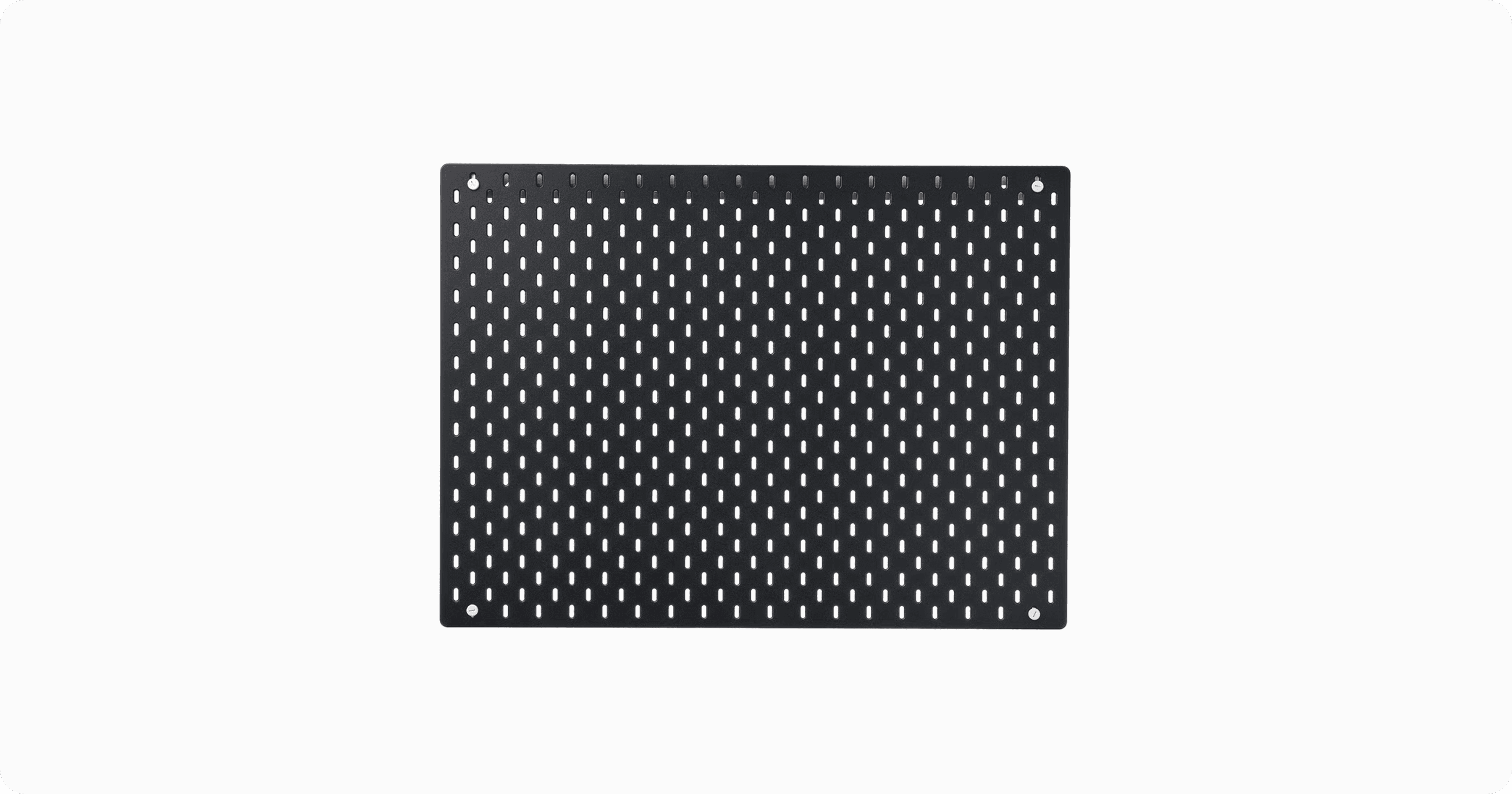
Pegboards can be incredibly useful, but only if they’re treated with the same restraint as the rest of the setup. Their strength is flexibility. You can adjust them as your workflow changes, without committing to a fixed layout.
They work especially well for small tools that tend to drift across the desk over time. Cables, pens, headphones, or accessories suddenly have a clear place to go. When everything has a home, it’s easier to reset the space at the end of the day.
To keep things calm, limit what goes on the board. Empty space is part of the design. If every hook is filled, the pegboard stops feeling organized and starts feeling busy.
Art
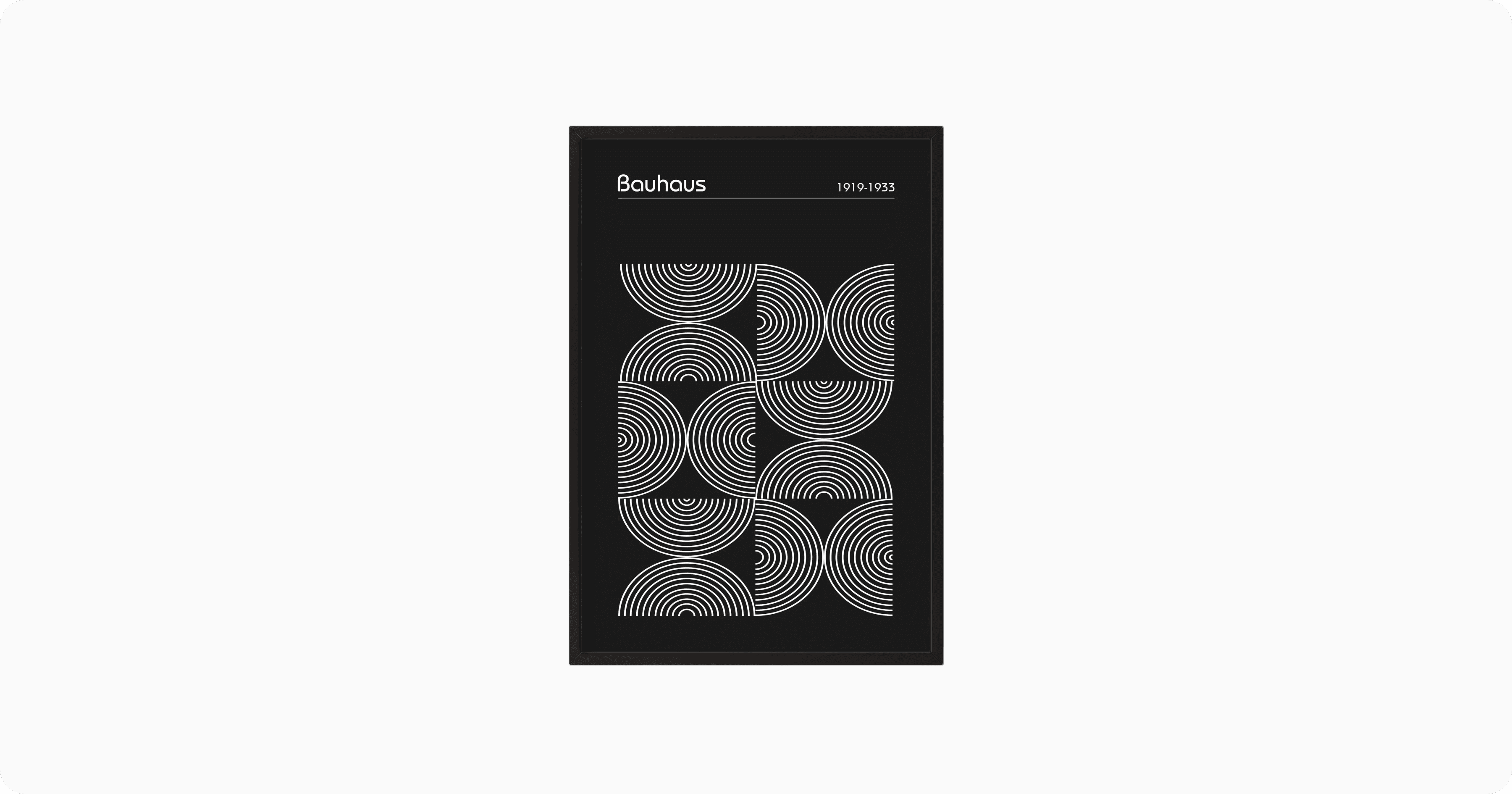
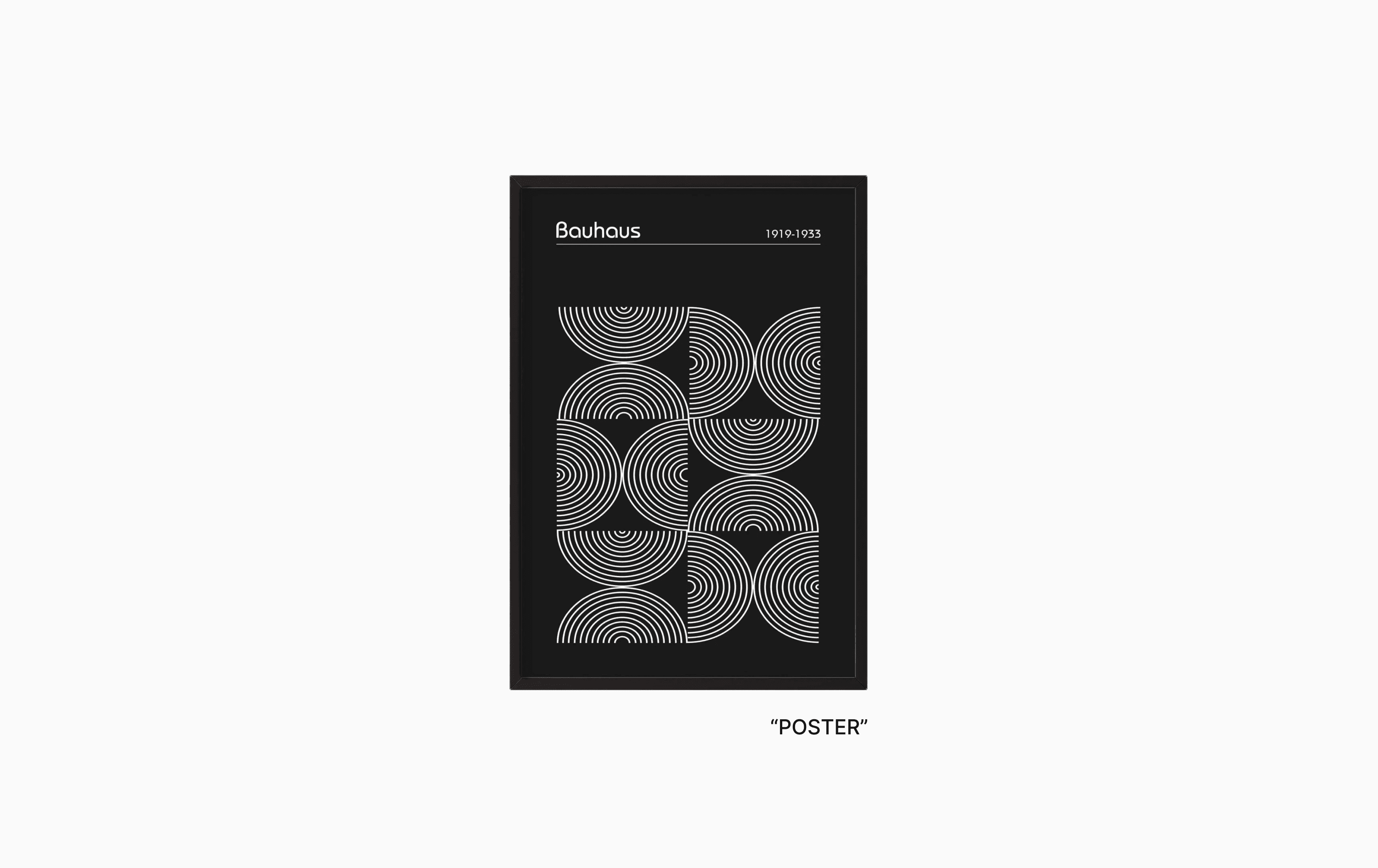
Wall space isn’t only about storage. A poster or framed piece behind the desk can completely change how the space feels.
It gives the setup a focal point and makes the desk feel anchored in the room, instead of looking like a temporary workspace. One larger piece usually works better than several small ones. It looks cleaner and feels more premium.
The goal is to add enough personality so the space feels yours without pulling focus away from the work.
Negative Space
One of the most overlooked parts of optimizing wall space is knowing when not to add anything.
Just like a clean desk needs room to breathe, the wall around it does too. Negative space creates contrast and makes the elements you do place feel more intentional. Filling every gap often makes a setup feel heavier, not more functional.
If something doesn’t clearly support your workflow or add a sense of calm, it doesn’t need to be there.
Optimizing your wall space is really about restraint. Every shelf, pegboard, or piece of art should have a purpose, and the spaces you leave empty are just as important. Giving your walls room to breathe makes the things you do place feel intentional and balanced. A calm, considered setup is the one that supports your work without demanding attention.
For more tips, inspiration, and setup ideas, follow us on Instagram, Threads, and Pinterest.